A newborn runs on a two-hour clock. Feed, change, soothe, set down, repeat — around the calendar, no weekends off, for weeks that blur into each other. Somewhere in the fog, a package arrives from the registry, and half of it turns out to be decorative: the wipe warmer nobody plugs in, the four-in-one activity gym the baby ignores, the "smart" onesie returned before the tags come off.
Then there is the other category. A handful of high-tech devices that new parents don't just tolerate but evangelize — the ones they text to every pregnant friend, unprompted, with the same slightly manic energy. What separates them from the drawer filler isn't that they're clever. It's that each one hands back a resource the newborn months quietly steal: an hour of sleep, a free pair of hands, or a few seconds of reassurance when the house is dark and quiet and your brain insists something is wrong.
Six of those devices show up again and again in parent forums, gift guides, and hospital-bag threads, with real 2025–2026 US prices attached. One costs more than a decent stroller. One costs less than takeout. All of them earn the praise the same way.
The best baby gadgets don't parent for you. They buy back the scarcest resources of the newborn months — sleep, free hands, and a moment of calm at 3 a.m. — and that is the only yardstick worth measuring them against.
1. The Bassinet That Does the Middle-of-the-Night Rocking — SNOO Smart Sleeper
No product on this list inspires louder devotion or sharper sticker shock than the SNOO Smart Sleeper, the $1,700 robotic bassinet from Happiest Baby. It was designed by pediatrician and infant-sleep author Dr. Harvey Karp, and it does one thing obsessively well: when the baby starts to fuss, the SNOO responds with white noise and a gentle rocking motion, escalating through five levels of intensity until the crying stops — often, the company says, in under a minute.
The built-in swaddle clips into the bassinet walls to keep the baby secured on their back, and Happiest Baby says the SNOO is the only bassinet with FDA authorization behind that safe-sleep design. Rated for newborns up to six months and roughly 33 pounds, it comes bundled with a nine-month premium app subscription for tracking and tweaking motion limits.
The price is the whole conversation, and Happiest Baby clearly knows it: the company rents the SNOO for under $200 a month and sells certified pre-loved units around $1,000. Parents rarely rave about the engineering, though. They rave about the two or three extra hours of sleep it bought them during the worst stretch of their lives.
2. The Sock That Watches the Numbers So You Can Close Your Eyes — Owlet Dream Sock
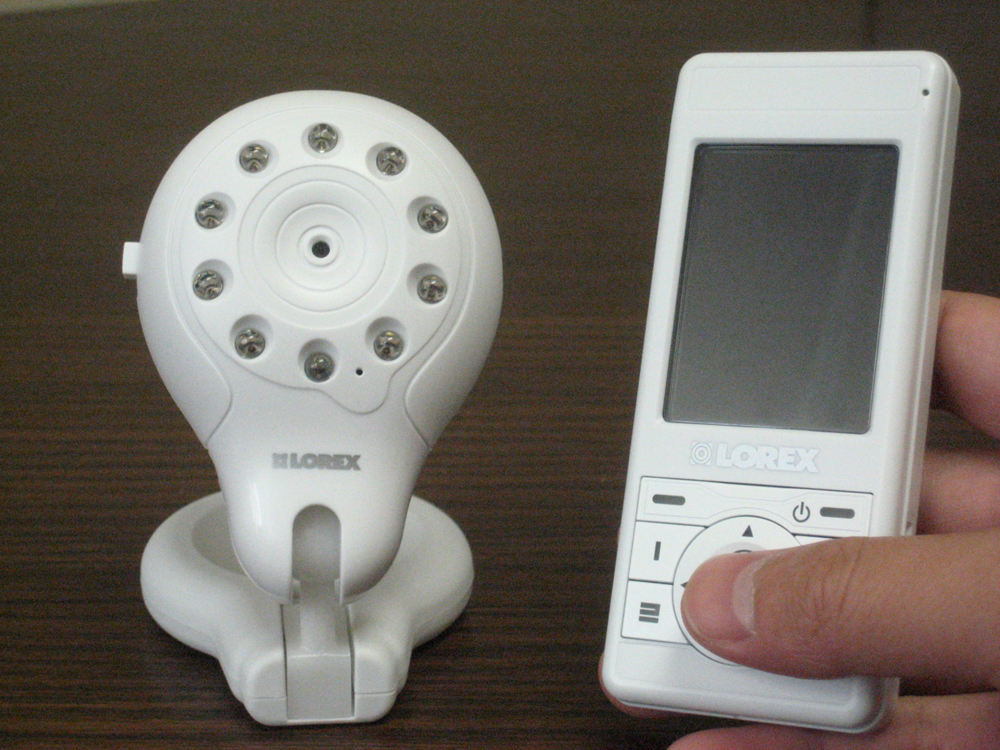
Anxiety is the newborn tax nobody warns you about — the compulsion to lean over the crib at 2 a.m. just to confirm the baby is breathing. The Owlet Dream Sock, $299.99, is built for exactly that spiral. A soft fabric sock reads the baby's live pulse rate and blood-oxygen level using the same pulse-oximetry approach hospitals rely on, then sends the readings to your phone and a bedside base station that chimes if either drifts outside a healthy preset range.
In 2023 the Dream Sock became the first smart baby monitor of its kind to earn FDA De Novo clearance, and Owlet says it has been clinically evaluated to within plus-or-minus 3 percent of gold-standard arterial blood-gas measurements — across all skin tones, in motion and at rest. It's built for babies aged one to 18 months and six to 30 pounds, ships with four socks in two sizes, requires no subscription, and qualifies for HSA and FSA spending.
One honest caveat matters here: the Dream Sock is a wellness monitor, not a medical device that prevents SIDS, and Owlet is careful to say so. What it reliably delivers is the readout that lets an exhausted parent stay in bed instead of hovering — reassurance, quantified.
3. The Camera That Doubles as a Sleep Coach — Nanit Pro
Where the Owlet answers "are the numbers okay," the Nanit Pro answers "let me actually see." Starting around $289.99, it mounts overhead for a full crib view in crisp 1080p, with night vision, two-way audio, and push alerts for sound, motion, and crying. It talks to Alexa and Google Home, so the feed can jump to a smart display.
Its signature trick is sensor-free breathing tracking. Instead of strapping electronics to the baby, Nanit sells "Breathing Wear" — swaddles, sleep sacks, and pajamas printed with a pattern the camera locks onto to watch the rise and fall of the chest, no wires touching skin. The system also turns the night into a report card, scoring sleep and dispensing coaching through Nanit Insights (a free six-month trial ships in the box).
The costs to weigh are recurring. Breathing tracking means buying fresh Breathing Wear as the baby outgrows each size, and the richer sleep analytics live behind a subscription once the trial lapses. For parents who want eyes on the crib plus data to fight the sleep-regression wars, it's the monitor they name first.
4. Pumping Without Being Chained to the Wall — Elvie and Willow
Conventional breast pumps tether a parent to an electrical outlet for twenty minutes at a stretch — hard to reconcile with a job, a commute, or a second kid. In-bra wearable pumps solve that by slipping entirely inside a nursing bra and running cord-free while you keep moving. Forbes Vetted's 2026 roundup names the Elvie Pump its best overall pick, citing app guidance, automatic mode switching, auto-shutoff, dishwasher-safe parts, and a five-ounce capacity.
Price is where the tier splits. The Elvie Pump runs about $549 for the double and $299.99 for a single motor. The Willow Go lands as the value option in the $235–$300 range, with 15 app-controlled suction levels and up to three pumping sessions per charge, while the Momcozy M5 undercuts both for budget-minded shoppers. Many US insurance plans cover a pump through the Affordable Care Act, so it's worth checking coverage before paying full freight.
Wearables extract a little more slowly than a hospital-grade plug-in unit, and you pay a premium per ounce of freedom. For parents returning to work or simply refusing to sit still, that freedom is the entire point.
5. A Warm Bottle in About a Minute — Baby Brezza Formula Pro Advanced
Picture a Keurig, but for infant formula. The Baby Brezza Formula Pro Advanced, $249.99, holds powder and water in reservoirs, and at the press of a button it mixes and dispenses a correctly proportioned, body-temperature bottle in roughly a minute — no scooping, no clumps, no standing over a bottle warmer while a hungry baby escalates.
It handles most US formula brands, including hypoallergenic ones like Similac Alimentum, and the wetted parts are BPA-free. The recurring complaint is maintenance: the funnel and mixing path need regular disassembly and cleaning, and skipping that invites residue buildup, so the machine rewards a routine. There's also a Wi-Fi variant for app-based control if that appeals.
For families formula-feeding or combo-feeding through several night bottles, the math is simple. Shaving two or three minutes off each 3 a.m. feed, several times a night, adds up to real sleep across a week — which is why bleary parents keep it on the counter long after the newborn haze lifts.
6. The $70 Box in Every Nursery — Hatch Rest
The cheapest device here is often the first one parents mention. The Hatch Rest 2nd generation, $69.99, is three things in one squat little puck: a sound machine, a dimmable night light, and a toddler "time-to-rise" clock, all controlled from your phone so you never have to crack a squeaky door to change a setting. The Rest+ model, $89.99, adds an eight-hour backup battery for travel and power cuts.
Its sound library runs from plain white noise to rain, ocean, a heartbeat, and a dryer hum, and the soft light doubles as a low-glare lamp for night feeds and diaper changes. The reason it earns such loyalty is that a consistent sleep cue is one of the few sleep levers that actually keeps working — from the newborn weeks straight through the toddler years, when the color-changing "okay to wake" light starts buying parents an extra half hour in the morning.
Some premium sounds and content sit behind an optional Hatch+ subscription, a nudge that has drawn its share of grumbling. The core white noise and night light, though, work fine without paying another dime.
The Shortlist, Side by Side
Six devices, one table. Prices are US MSRPs as of mid-2026; street prices dip during registry sales and holiday events, and some categories qualify for insurance or HSA/FSA dollars.
| Gadget | Standout pick | US price | What it buys you |
|---|---|---|---|
| Robotic bassinet | SNOO Smart Sleeper | $1,700 (rent under $200/mo) | Automated soothing + a safe-sleep swaddle |
| Vitals monitor | Owlet Dream Sock | $299.99 | FDA-cleared live pulse and oxygen, no subscription |
| Video monitor | Nanit Pro | From $289.99 | Overhead HD view, breathing tracking, sleep data |
| Wearable pump | Elvie Pump / Willow Go | $299.99–$549 / from ~$235 | Cord-free, in-bra pumping anywhere |
| Formula maker | Baby Brezza Formula Pro Advanced | $249.99 | A mixed, warm bottle in about a minute |
| Sound machine | Hatch Rest 2nd Gen | $69.99 | White noise, night light, time-to-rise |
An honorable mention that costs a fraction of anything above: an electric nasal aspirator like Frida Baby's Electric NoseFrida clears a congested newborn's nose far better than a bulb syringe. It's unglamorous, it lives in a drawer most of the year, and during the first winter of daycare colds it becomes indispensable.
The pattern across all six is worth naming. None of them parents the baby; each one deletes a single repeating misery — the rocking, the worrying, the scooping, the wall outlet, the 4 a.m. runny nose. If the budget stretches to only one, spend it on the misery you feel hardest in the dark, not the gadget with the slickest unboxing video. Sleep, free hands, and a little peace of mind are the real currency of the newborn months, and these are the rare purchases that actually pay in it.